

In South Africa, as in many parts of the world, hair holds significant cultural, social, and religious symbolism. Across various religious traditions practiced in the country, hair plays a central role in expressions of identity, spirituality, and adherence to religious teachings. Let’s delve into the intricate relationship between hair and religion in South Africa:
Indigenous African Traditions:
In many indigenous African cultures, hair is revered as a symbol of ancestry, spirituality, and connection to the divine. Hairstyles often carry deep cultural meanings, with intricate braiding, beading, and styling techniques passed down through generations. Hair is viewed as a source of power, protection, and spiritual energy, with specific rituals and ceremonies dedicated to its care and maintenance.
Christianity:
Within Christian communities in South Africa, attitudes towards hair vary among different denominations and cultural backgrounds. While some Christian traditions may emphasize modesty and simplicity in hair grooming, others embrace diversity and individual expression. In certain Christian sects, such as Rastafarianism, hair holds particular significance, with long, uncut locks symbolizing a commitment to spiritual principles and the teachings of Haile Selassie.
Islam:
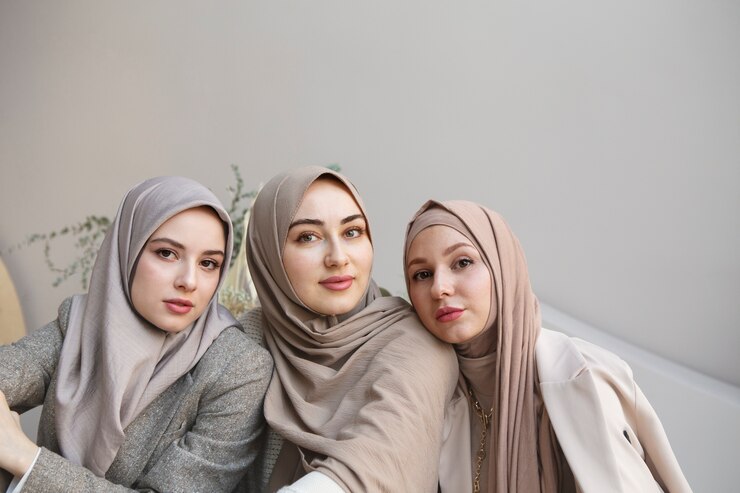
For Muslim communities in South Africa, modesty and humility are central tenets that extend to personal grooming, including hair care. Muslim men often maintain beards as a sign of religious observance, following the example set by the Prophet Muhammad. Women may cover their hair with hijabs or headscarves as a symbol of modesty and obedience to Islamic teachings. Hair is regarded as a private and intimate aspect of one’s identity, to be preserved and respected in accordance with religious guidelines.
Judaism:
In the Jewish faith, hair holds symbolic significance, particularly within Orthodox and Hasidic communities. Orthodox Jewish men often wear sidelocks, known as payot, as a reminder of religious obligations and adherence to Jewish law. Married Jewish women may cover their hair with scarves, hats, or wigs (sheitels) as a sign of modesty and marital status. Hair is viewed as a reflection of spiritual values and commitment to religious traditions.
African Traditional Religions:
In South Africa’s diverse tapestry of indigenous beliefs and practices, hair is imbued with spiritual meaning and ritual significance. Traditional healers, known as sangomas or inyangas, may prescribe specific haircare rituals and treatments as part of healing ceremonies or ancestral rituals. Hair serves as a conduit for spiritual communication and connection with ancestors, with hairstyles often reflecting an individual’s spiritual journey and ancestral lineage.
The relationship between hair and religion in South Africa is multifaceted and deeply intertwined with cultural, social, and spiritual beliefs. Across different religious traditions, hair serves as a symbol of identity, modesty, and adherence to religious teachings. Whether adorned with intricate braids, covered with headscarves, or left uncut as a sign of devotion, hair reflects the diverse expressions of faith and spirituality that shape the religious landscape of South Africa. By honoring the significance of hair within religious contexts, we gain insight into the rich tapestry of beliefs and traditions that contribute to the country’s cultural heritage and spiritual identity.